Integrating Fire Fighter SVG and First Responder SVG Assets into Professional Creative Workflows
In the landscape of digital design and merchandise creation, vector graphics serve as the foundational building blocks for scalable, high-quality output. For creators targeting public safety niches, Fire Fighter SVG and First Responder SVG files represent more than just thematic clip art; they are functional assets that dictate the efficiency of production lines, print shops, and digital marketing campaigns. Understanding how to source, manage, and implement these specific vector formats is essential for professionals who need to balance artistic expression with technical precision and commercial viability.
Defining the Asset Class in Production Environments
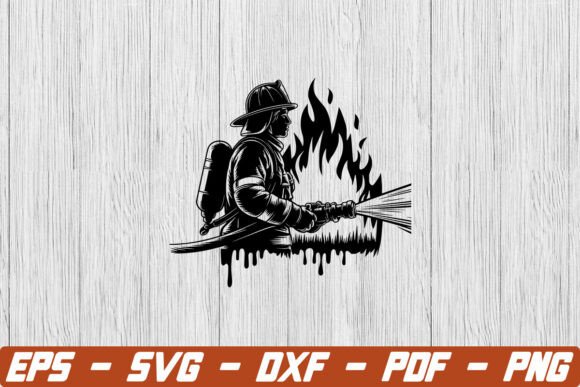
A Fire Fighter SVG or First Responder SVG is a Scalable Vector Graphic specifically designed with the iconography, typography, and symbolism associated with emergency services. Unlike raster images (JPEGs or PNGs), these files utilize mathematical paths rather than pixels. This distinction is critical in professional workflows because it allows for infinite resizing without degradation. Whether applied to a 3-inch helmet sticker or a 40-foot station banner, the line quality remains crisp.
In a broader process context, these assets function as modular components. They are rarely used in isolation. Instead, they interact with cutting machine software, direct-to-garment (DTG) printers, embroidery digitizing platforms, and web design interfaces. The value of a high-quality first responder vector lies in its node structure. Clean, optimized paths reduce processing time for plotters, minimize ink usage in printing, and ensure that heat transfer vinyl weeds easily during fabrication. Poorly constructed vectors, conversely, introduce friction at every stage of post-production.
Pre-Project Planning and Asset Vetting
Successful integration begins before the design software is even opened. Professionals must evaluate Fire Fighter SVG libraries based on technical compatibility and licensing suitability. This preparation phase prevents costly rework later in the pipeline.
Technical Compatibility Checks
Not all SVG files are created equal. When selecting assets for first responder projects, verify the following technical specifications:
- Node Count: Excessively complex vectors with thousands of unnecessary nodes can cause cutting machines to stutter or fail. Optimize files using simplification tools before importing them into production software.
- Layer Organization: Professional-grade assets should have logical layer grouping. A well-structured First Responder SVG separates text, background elements, and foreground icons, allowing designers to modify colors or remove elements without reconstructing the entire graphic.
- Text Outlining: Ensure all typography is converted to outlines or paths. Relying on system fonts creates portability issues; if your production computer lacks the specific font file, the design will break. Outlined text guarantees visual consistency across different workstations.
- Color Mode: Verify whether the file uses RGB (for digital/screen) or CMYK/Pantone references (for print). While SVGs are inherently color-agnostic, embedded color profiles can sometimes cause unexpected shifts when imported into RIP software for large-format printing.
Licensing and Commercial Rights
For entrepreneurs and small business owners, the legal framework surrounding these assets is as important as their aesthetic quality. Standard personal-use licenses do not cover merchandise sales. Before incorporating a Fire Fighter SVG into a product line intended for Etsy, Shopify, or local retail, confirm that the license explicitly permits commercial use. Documenting this permission is a best practice for risk management, protecting the business from intellectual property disputes down the line.
Execution: Workflow Integration Across Platforms
Once vetted, these vector assets move into the active creation phase. Their versatility allows them to traverse multiple disciplines within a single project lifecycle.
Crafting and Physical Fabrication
For makers using Cricut, Silhouette, or Brother ScanNCut machines, First Responder SVG files are the primary input. The workflow here demands attention to physical constraints. Designers must account for material limitations; intricate details in a firefighter badge design may be too delicate for glitter vinyl but perfect for adhesive cardstock. Adjusting stroke widths and welding overlapping paths during the editing phase ensures the final physical product is durable and legible. Batch processing is also common in this stage, where multiple SVG variations are arranged on a single mat to maximize material yield and reduce waste.
Digital Design and Web Implementation
Marketers and web developers utilize these same assets differently. In web environments, Fire Fighter SVG files offer significant performance advantages over PNGs. They load instantly, scale perfectly on retina displays, and can be styled dynamically via CSS. For example, a fire department’s website might use an SVG logo that changes color on hover or animates upon scrolling. Because the code is accessible, developers can also add aria-labels to improve SEO and accessibility compliance, ensuring the site serves all community members effectively.
Print Production and Apparel
In screen printing and DTG workflows, vector assets serve as the master template. A clean First Responder SVG eliminates the jagged edges often seen when converting low-resolution raster images. Separators can easily isolate color channels directly from the vector layers, streamlining the film output process. For embroidery, while SVGs cannot be stitched directly, they provide the precise geometric boundaries needed for digitizers to create stitch files. The accuracy of the original vector directly correlates to the registration quality of the final embroidered patch.
Post-Production Management and Long-Term Utility
The lifecycle of a Fire Fighter SVG extends beyond a single project. Efficient asset management transforms individual files into a reusable library that accelerates future workflows.
Systematic File Organization
As collections grow, disorganization becomes a productivity killer. Implement a standardized naming convention and folder structure. Rather than generic filenames like "design_final_v2.svg," use descriptive metadata tags embedded in the filename:
- Category: e.g., Fire, EMS, Police, Dispatch
- Subject: e.g., Helmet, Badge, Truck, MalteseCross
- Style: e.g., Vintage, Minimalist, Cartoon, Realistic
- Version/Date: e.g., v1.0_2023-10
This taxonomy allows team members to locate specific First Responder SVG assets in seconds rather than minutes. Cloud storage solutions with robust search functions further enhance this accessibility, enabling remote teams to collaborate without duplicating files or working from outdated versions.
Quality Control and Iteration
After production, review the performance of the asset. Did the Fire Fighter SVG cut cleanly? Did the colors translate accurately from screen to fabric? Feedback loops are essential for refining asset selection criteria. If a particular source consistently provides vectors with open paths or poor grouping, remove it from the approved vendor list. Conversely, identify suppliers whose files integrate seamlessly and prioritize them for future purchases. This continuous improvement approach elevates overall production quality and reduces troubleshooting time.
Ethical Considerations and Audience Resonance
Working with First Responder SVG imagery carries a unique responsibility. These symbols represent real professions, sacrifices, and community trust. From a practical standpoint, accuracy matters. Using incorrect insignia, outdated equipment silhouettes, or culturally insensitive modifications can alienate the very audience the design intends to honor.
Professionals should validate designs against current uniform standards and departmental regulations. When creating custom work for specific agencies, always request official brand guidelines or vector masters. Authenticity builds trust. Furthermore, consider the emotional weight of the imagery. Designs intended for memorial purposes require a different aesthetic sensitivity than those meant for morale-boosting gym wear. Aligning the tone of the Fire Fighter SVG with its intended context is a crucial aspect of user experience design that transcends mere technical execution.
Optimizing for Search and Discoverability
For creators selling digital assets or finished goods, the way Fire Fighter SVG and First Responder SVG files are tagged and described impacts visibility. However, keyword optimization must remain grounded in utility. Instead of stuffing descriptions with repetitive terms, focus on long-tail descriptors that reflect actual user intent. Phrases like "layered firefighter helmet cut file for Cricut" or "vintage EMS badge vector for t-shirt design" connect with buyers who know exactly what they need.
High-quality preview images also play a role in this ecosystem. Showcasing the SVG in realistic mockups helps users visualize the end result, bridging the gap between digital asset and physical application. Providing detailed specification sheets—including dimensions, layer counts, and compatible software—reduces pre-sale inquiries and increases conversion rates by demonstrating professional competence.
Building Sustainable Creative Systems
Ultimately, the effective use of Fire Fighter SVG and First Responder SVG assets is about building sustainable systems. It involves moving beyond ad-hoc downloading toward curated, verified, and organized libraries. It requires understanding the technical interplay between vector mathematics and physical manufacturing constraints. Most importantly, it demands respect for the subject matter and the end-user.
By treating these vectors as integral components of a larger operational workflow rather than disposable decorations, professionals can achieve higher efficiency, better quality control, and more meaningful outcomes. Whether you are a solo crafter, a marketing director for a municipal agency, or a print shop owner, mastering the lifecycle of these assets provides a tangible competitive advantage. The goal is not just to create a design, but to establish a repeatable, reliable process that honors both the craft and the community it serves.