Watercolor Gems Sublimation Clipart PNG Guide
The intersection of traditional artistic texture and modern digital printing has created a unique niche for creators, and few elements bridge this gap as effectively as Watercolor Gems Sublimation Clipart PNG files. These digital assets are more than just decorative overlays; they represent a specific aesthetic that combines the organic, unpredictable flow of watercolor paint with the structured brilliance of gemstone geometry. For designers, small business owners, and hobbyists, understanding how to leverage these files can transform generic merchandise into high-value, boutique-quality products.
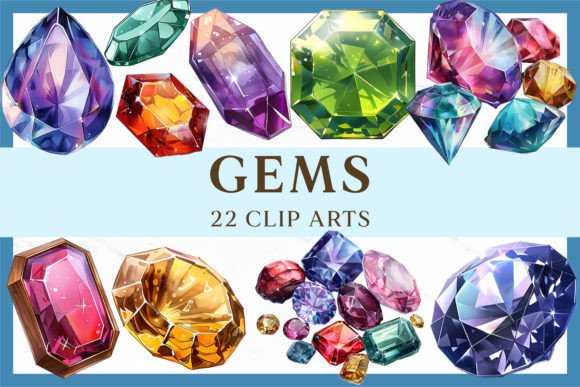
At their core, these PNG files are high-resolution images featuring transparent backgrounds, specifically optimized for dye-sublimation printing. The "gem" aspect usually refers to either illustrations of precious stones rendered in a wet-on-wet watercolor style or abstract crystalline shapes that mimic the refraction of light through pigment. What makes them particularly useful is the transparency. Unlike a standard JPEG with a white box around the art, a true sublimation-ready PNG allows the base color of your substrate—whether it is a white ceramic mug, a pastel t-shirt, or a textured notebook cover—to interact with the artwork. This interaction is where the magic happens, creating depth that flat vector art simply cannot achieve.
Elevating Product Design with Organic Texture
In an era dominated by clean lines and minimalist vectors, watercolor gems offer a necessary counterpoint. They introduce a human touch to manufactured goods. When applying these designs to apparel, consider the emotional resonance of the texture. A sharp, digital diamond graphic might convey luxury, but a watercolor sapphire conveys artistry and approachability. This distinction is vital for marketers and entrepreneurs targeting audiences who value handmade aesthetics even when purchasing mass-produced items.
For t-shirt designers, placement is as critical as the image itself. Rather than centering a single large gem, try scattering smaller watercolor gem elements across the shoulder seam or wrapping them around the sleeve cuff. This utilizes the natural drape of the fabric and prevents the design from looking like a sticker slapped onto a shirt. The soft edges of watercolor clipart blend seamlessly into fabric weaves, making the print feel integrated rather than applied. When using these on darker garments via white toner printers or hybrid methods, ensure the PNG includes sufficient white ink data or underbase layers, as standard sublimation relies entirely on white substrates for color accuracy.
Stationery and Paper Goods Applications
Paper products are perhaps the most forgiving and versatile canvas for Watercolor Gems Sublimation Clipart PNG. Journal covers, planners, and greeting cards benefit immensely from the luminous quality of these designs. Because paper absorbs sublimation ink differently than poly-coated hard surfaces, the colors often appear softer and more matte, which complements the watercolor aesthetic perfectly.
- Planner Dividers: Use elongated gem clusters as functional tab markers. The translucency of the art ensures text remains readable if placed underneath.
- Greeting Card Accents: Pair a singular, detailed emerald or ruby illustration with elegant serif typography. Leave ample negative space to let the artwork breathe.
- Notebook Covers: Create a repeating pattern using varied gem sizes. Rotate the elements to avoid a grid-like appearance, maintaining the organic flow characteristic of hand-painted work.
When designing stationery, consistency is key. If you are creating a matching set of notebooks and pens, use the exact same color profile and gem variation across all items. Slight shifts in hue between products can make a collection look disjointed. Professional designers often create a master color palette derived from their chosen gem clipart before beginning production to ensure visual cohesion.
Adapting Assets for Diverse Audiences
Versatility is the hallmark of a successful creative business. The same Watercolor Gems Sublimation Clipart PNG file can serve vastly different markets depending on how it is manipulated. Educators and homeschool parents might use bright, primary-colored gem illustrations to create engaging learning materials or reward charts. In this context, the gems function as visual anchors for positive reinforcement, combining beauty with utility.
Conversely, wedding stationers and event planners can utilize the same asset class in muted tones like blush, sage, or champagne. Here, the gems symbolize celebration and permanence without being ostentatious. By adjusting the saturation or applying a subtle sepia filter in your editing software, you can repurpose a vibrant commercial asset into something suitable for formal occasions. This adaptability maximizes the return on investment for digital assets, allowing freelancers to serve multiple niches without constantly purchasing new clipart packs.
Technical Considerations for Crisp Results
Creativity must be grounded in technical proficiency to yield professional results. One common pitfall when working with watercolor sublimation files is ignoring resolution requirements. Always verify that your PNG is at least 300 DPI at the intended print size. Scaling up a low-resolution watercolor image will result in pixelation that destroys the delicate brushstroke details. If you need to enlarge a design significantly, consider using AI upscaling tools specifically trained on painterly styles rather than standard bicubic interpolation.
Color management is equally important. Sublimation ink behaves differently than screen RGB or standard CMYK offset printing. Watercolor gems often rely on subtle gradients and transparency effects that can shift during the heat press process. Always perform test prints on your specific substrate. A gem that looks translucent blue on your monitor might print as a solid navy on polyester. Creating a physical color chart using your actual printer and paper allows you to adjust your digital files preemptively, saving time and materials.
Building Originality with Layered Composition
To stand out in a saturated market, avoid using Watercolor Gems Sublimation Clipart PNG exactly as provided. Treat these files as raw ingredients rather than finished meals. Originality comes from composition and combination. Try layering gem elements behind botanical line art or geometric gold foil textures. The contrast between the fluid watercolor and rigid structural elements creates visual tension that captures attention.
Digital collage techniques allow you to build entirely new forms. Disassemble a cluster of gems and rearrange them to form a heart, a star, or an initial. Use masking tools to fade edges into custom backgrounds. This level of customization ensures that no two products are identical, adding perceived value for customers seeking unique items. For bloggers and content creators documenting this process, sharing these "behind-the-scenes" modifications can be just as engaging as the final product, demonstrating expertise and inspiring your audience to experiment.
Organizing Your Digital Asset Library
As your collection grows, organization becomes a productivity bottleneck. Efficient workflows start with smart file management. Do not rely solely on default filenames like "gem_pack_01.png." Implement a tagging system or folder structure based on color, orientation, and theme. Renaming files descriptively (e.g., "watercolor-emerald-teardrop-left-facing.png") saves hours of searching during active design sessions.
- Create master folders categorized by project type or client.
- Maintain a separate "Favorites" folder for frequently used assets to speed up repetitive tasks.
- Keep original source files separate from edited project files to preserve asset integrity.
- Use metadata tagging software if managing thousands of assets for commercial licensing.
Ultimately, Watercolor Gems Sublimation Clipart PNG serves as a bridge between artistic expression and commercial viability. Whether you are crafting bespoke gifts, building a print-on-demand empire, or teaching digital design, these assets provide a foundation of beauty and flexibility. Success lies not just in acquiring the files, but in mastering their application, respecting their technical constraints, and infusing them with your unique creative vision. By approaching these resources with intention and craftsmanship, you elevate both your work and the experience of those who receive it.