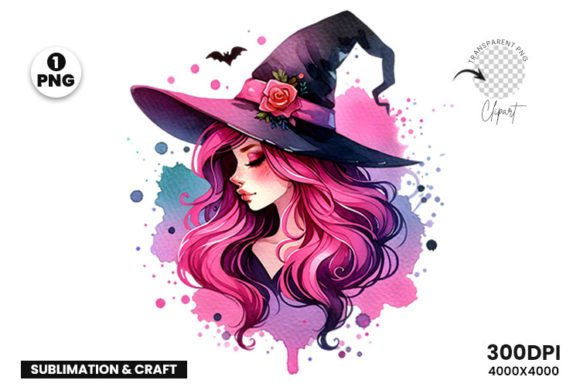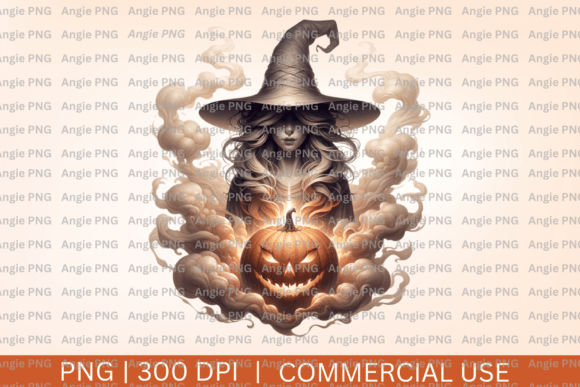
Maximizing Quality with Watercolor Witch and Pumpkin PNG Assets
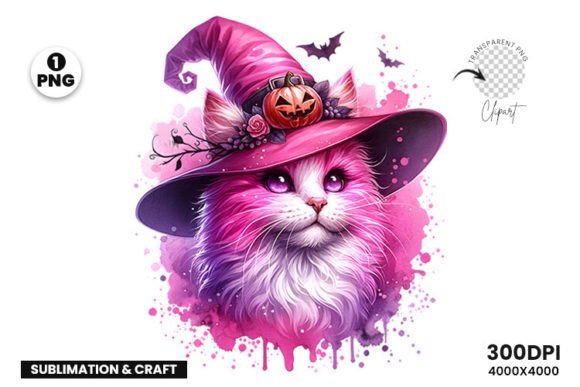
The arrival of autumn brings a surge in creative projects, from seasonal marketing campaigns to handmade greeting cards and sublimation apparel. At the center of this aesthetic trend is the Watercolor Witch and Pumpkin PNG, a digital asset that combines whimsical folklore imagery with traditional harvest motifs. These files are popular because they offer an organic, hand-painted texture that vector art often lacks, providing warmth and nostalgia to digital designs. However, the difference between a professional-looking product and an amateurish result often lies not in the artistic concept, but in the technical execution and selection of these specific raster images.
Many creators, entrepreneurs, and hobbyists assume that all transparent PNGs function identically. This assumption frequently leads to frustration when printing, resizing, or layering. Understanding the nuances of watercolor digitization is essential for anyone looking to produce high-quality work. By addressing common oversights early in the design process, you can save time, reduce material waste, and ensure your final products meet professional standards.
Evaluating Resolution Beyond File Size
One of the most frequent errors when acquiring a Watercolor Witch and Pumpkin PNG is judging quality solely by file dimensions rather than effective resolution. A file might be 3000 pixels wide, which sounds substantial, but if the original painting was small and scanned at a low DPI, enlarging it for a sweatshirt or poster will result in pixelation and blurriness. Conversely, some high-resolution files contain excessive whitespace that inflates the pixel count without adding usable detail.
To avoid this, always inspect the image at 100% zoom before purchasing or downloading. Look specifically at the edges where the watercolor pigment fades into transparency. High-quality scans retain the granular texture of the paper and the bleeding edge of the paint. If the edges appear jagged, blocky, or artificially smoothed, the file has likely been upscaled using basic interpolation or AI tools without proper refinement. For print-on-demand products like tumblers or tote bags, prioritize assets scanned at a minimum of 300 DPI at their intended physical size. It is better to have a smaller, crisp image that can be used for stickers or tags than a massive, muddy file that fails on larger merchandise.
The Transparency Trap: Halos and Fringing
Watercolor presents unique challenges for background removal because the medium relies on soft gradients and varying opacity. A common issue with lower-quality Watercolor Witch and Pumpkin PNG collections is "fringing" or white halos around the subject. This occurs when the background removal process is too aggressive or automated, leaving a thin border of the original paper color or creating unnatural hard edges where there should be a soft fade.
This defect might be invisible on a white website preview but becomes glaringly obvious when placed on dark backgrounds or colored cardstock. Before committing to a design layout, test the PNG against multiple background colors, including black, navy, and kraft paper tones. If you detect fringing, it does not necessarily mean the asset is unusable. Experienced designers often use layer masks or blending modes like "Multiply" (for light backgrounds) to reintegrate the texture naturally. However, for direct-to-garment printing or vinyl cutting, clean transparency is non-negotiable. In these cases, seek out sellers who provide pre-masked files specifically tested for dark media, or budget time for manual cleanup in your editing software.
Color Profile Mismatches in Seasonal Palettes
Autumn aesthetics rely heavily on specific warm tones: burnt orange, deep violet, moss green, and golden yellow. Digital screens display these colors using RGB light, while printers reproduce them using CMYK ink. A vibrant, glowing pumpkin on your monitor may print as a dull brown or muddy rust if the color profile is ignored. Many creators blame the printer or the paper when the fault actually lies in unmanaged color expectations.
When working with a Watercolor Witch and Pumpkin PNG, verify the color space of the file. Most digital downloads are RGB. If you are sending files to a commercial printer, ask about their preferred color profile and conversion method. Soft-proofing your design before production allows you to adjust saturation and contrast to compensate for the inevitable shift from screen to substrate. Additionally, remember that watercolor textures absorb ink differently than solid vectors. Colors often dry lighter on porous papers and darker on coated surfaces. Ordering a single physical proof is a cost-effective way to validate color accuracy before launching a full seasonal product line.
Licensing Clarity for Commercial Ventures
The visual appeal of a graphic is irrelevant if its usage violates intellectual property rights. Misunderstanding licensing terms is a significant risk for small business owners and Etsy sellers. Terms like "personal use," "commercial use," and "extended commercial license" have distinct legal boundaries that vary wildly between artists and marketplaces.
A common misconception is that purchasing a Watercolor Witch and Pumpkin PNG grants ownership of the artwork. In reality, you are typically buying a limited license to use the asset within specific parameters. Some licenses prohibit using the standalone image on merchandise, requiring it to be part of a significantly altered composite design. Others limit the number of units sold or restrict usage on digital templates. Always read the specific license agreement attached to the file, not just the general site terms. Documenting your purchase and license scope protects your business from takedown notices and legal disputes. When in doubt, contact the creator directly for clarification; reputable artists prefer clear communication over future conflict.
Compositional Balance and Negative Space
Even technically perfect assets can fail aesthetically if applied without considering composition. Watercolor witch illustrations are often detailed and visually heavy. Placing such an element in the dead center of a design without adequate negative space can make the final product feel cluttered and overwhelming. Beginners often treat the PNG as the entire design rather than one component of a balanced layout.
Effective design requires breathing room. When incorporating a Watercolor Witch and Pumpkin PNG, consider the hierarchy of information. If the illustration is the focal point, keep typography minimal and positioned to complement the flow of the artwork rather than competing with it. Use the natural curves of the witch’s hat or the pumpkin’s stem to guide the viewer’s eye through the composition. For apparel, placement matters as much as the graphic itself; a chest print requires different scaling and positioning than a full-back design. Mockup testing is essential here. Never rely on flat digital previews alone; visualize how the curve of a mug or the fold of a shirt affects the visibility and impact of the watercolor details.
Verifying Source Integrity and Authenticity
The marketplace for seasonal digital assets is saturated, and unfortunately, this includes unauthorized resellers and AI-generated content marketed as hand-painted originals. While AI tools have their place, buyers seeking authentic watercolor texture for heritage or artisanal branding may find synthetic results lacking in genuine imperfection and soul. Furthermore, stolen or redistributed files often suffer from compression artifacts and missing metadata.
To ensure you are getting what you pay for, evaluate the seller’s portfolio for consistency in style and technique. Genuine watercolor artists usually show process shots, sketch variations, or a cohesive body of work that demonstrates human skill. Read reviews specifically mentioning print quality and customer service. Supporting original creators not only ensures ethical consumption but also typically results in higher-quality files with better support. When you invest in legitimate, high-integrity assets, you build a foundation for sustainable creative work that respects both the art form and your audience’s expectations.